









I bought two cards on our own buy calls. They tanked. Here's everything we changed.
The founder followed the Ledger's stamps into two tournament promos and lost. Instead of quietly fixing it, here is the full autopsy — and the new band-aware playbook it produced.
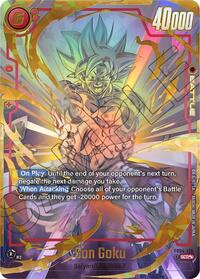
A few weeks ago I bought two cards because my own app told me to. Tony Tony Chopper P-101 and Monkey D. Luffy P-106, the Tournament Pack 2026 Vol. 2 promos. Both wore the green ACCUMULATE stamp. Both were cheap, both were flying, and both felt like exactly the kind of call this site exists to make.
Chopper then fell almost 40% in a week. Luffy dropped about 20% and flipped to SELL WATCH days after I bought in. I lost money following my own product.
We built Grand Line Ledger on one promise: the record is public and nobody can edit it, including us. That promise is worthless if it only applies when the record is flattering. So instead of quietly patching the rules and moving on, here is the full autopsy.
What actually went wrong
Three things, and none of them were bad luck.
The rules had no ceiling. Our buy pattern rewarded momentum — the stronger the climb, the better it looked. Chopper had run over 400% in a single week when the stamp fired. Nothing in the playbook said "this is too hot." We went back and tested that directly across two and a half years of real prices: after a weekly spike that steep, entries were worse than a coin flip, with a negative median return two months out. The easy part of those moves had already happened. Our engine was pointing at the top of the mountain and calling it a trailhead.
Promos got a free pass. Fixed-print promos historically kept climbing after strength, so the rules exempted them from our overheating check. That exemption was written for steady climbers and ended up waving through vertical spikes on brand-new tournament promos — the exact cards that burned me.
The liquidity warning was asleep. These were thin markets — a handful of confirmed sales a month. The engine has a liquidity check for exactly this, and a pipeline rewrite in July had silently disconnected it. The one line that should have said "quoted prices may not be real here" never printed.
What we did about it
We re-backtested the entire engine: roughly 180,000 graded card-weeks across two and a half years, split into a training period and a held-out validation period the rules never saw. Then we rebuilt the playbook around the clearest finding in the data:
a $5 promo and a $500 chase card are different games, and one rulebook cannot referee both.
The engine now runs four price bands — under $10, $10–50, $50–200, and $200+ — with rules tested and graded separately inside each one:
- Every buy call must be a qualified climb: real gains on both the weekly and the monthly window, without going vertical. This one pattern beat the market in every single band, in training and in validation.
- The cheaper the card, the stricter the caps. Chasing a fresh spike burned worst at the bottom of the market, so that is where the heat limits bite hardest. Under the new rules, the stamps I bought on could never have fired.
- Promos play by the same rules as everyone else. The exemption is gone.
- No dip-buying below the top band. "It's in an uptrend and it just got cheaper" graded out as outright toxic under $50 and mediocre under $200. It survives only where it actually worked.
- A fresh buy call gets one day of confirmation before it can flip to a sell call, so a single volatile day can't whipsaw you the way it whipsawed me.
- The liquidity check is back on, and thin markets now say so in plain English on every card page.
The results, on held-out validation data the rules were never tuned on: qualified buy calls finished higher eight weeks later 75% of the time on cards under $10, 80% in the $10–50 band, 82% in the $50–200 band, and 84% at $200 and up. The market average over the same windows was under half. Every band's record is published on the guide and refreshed with every strategy review.
What happens to the record
We are still pre-launch, so we did the clean thing: the small set of calls made under the old rules was archived, and live grading restarted under playbook v2 on August 3. From launch day forward the Ledger is permanent — no resets, no edits, no exceptions, and this article is the public record of the one time we rebuilt the engine and why.
And my Chopper and Luffy? I still own them. They sit in my collection tracker in the red, as a reminder that the market grades everyone — especially the people who write the rules.
Observations from data, not financial advice. The exact thresholds stay private; the results never do.